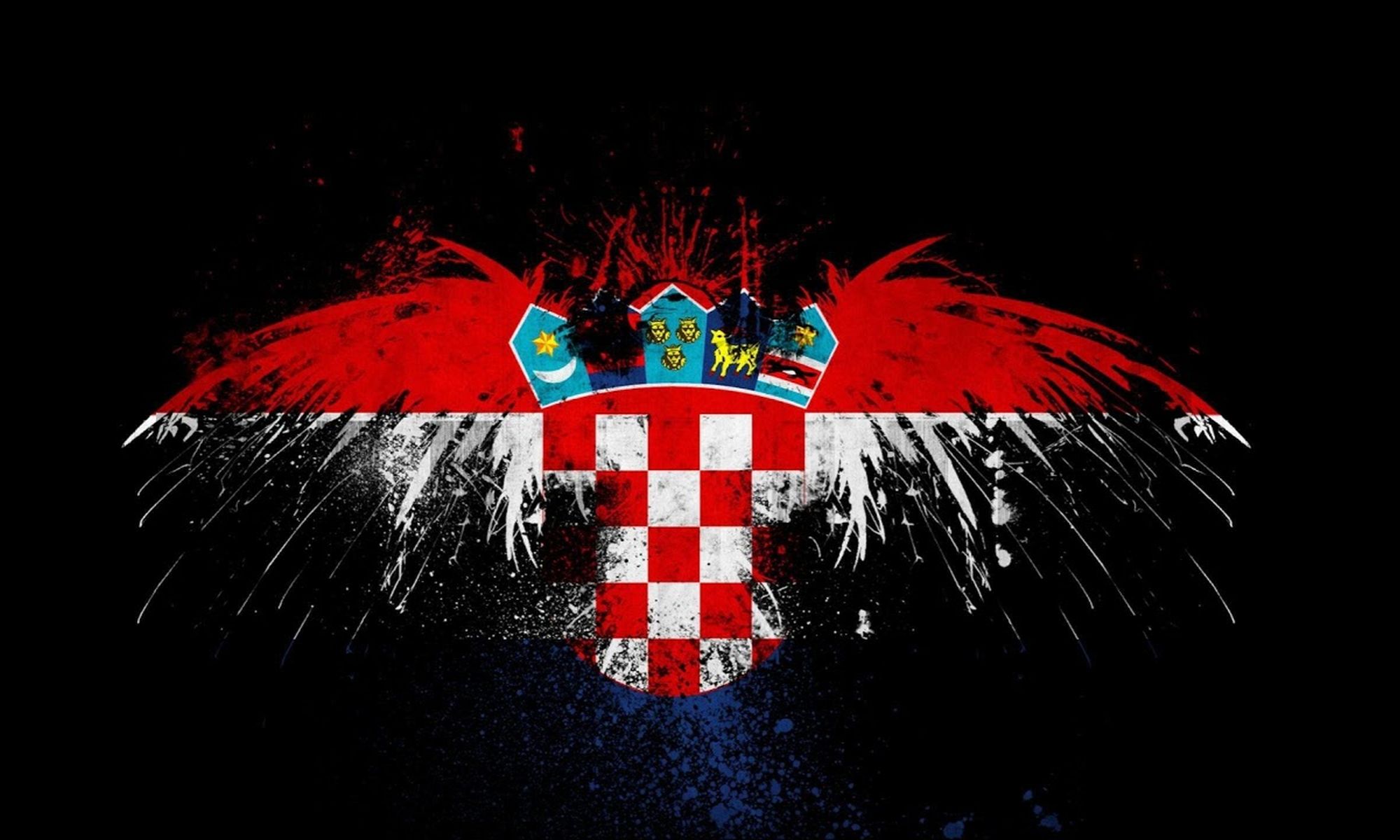

Title: Croatia and the War of Numbers: Propaganda, Memory, and the Ghosts of World War II
By Igor Bogdanov
In the wake of World War II, victors wrote the narrative. As Winston Churchill allegedly quipped, “History will be kind to me, for I intend to write it.” Nowhere is this more apparent than in the contested memories of small nations like Croatia, whose role in the Second World War is often flattened into caricature—either vilified as a fascist puppet or ignored altogether. This essay explores how postwar propaganda, particularly from Allied and Yugoslav Communist sources, may have inflated death tolls—especially those of Jews and Serbs—not only for moral condemnation but also for political leverage.
The Inflation of Atrocity
It is impossible—and morally reprehensible—to deny the horror of genocide. Yet it is equally dangerous to allow history to become unchallengeable dogma. Numbers, particularly when wielded as symbols, can serve ideological aims. The six million Jews killed in the Holocaust has become not only a tragic historical fact but also a sacred number—invoked almost ritually, enshrined beyond audit. Franjo Tuđman, the Croatian historian and later president, controversially questioned these figures in his book Wastelands of Historical Reality, not to deny suffering but to interrogate propaganda’s role in cementing orthodoxy. His position was not Holocaust denial, but Holocaust demystification.
Similarly, the claim that the Independent State of Croatia (NDH), a Nazi-aligned puppet state, killed over 700,000 Serbs at Jasenovac concentration camp has been challenged by several historians—Croatian, Israeli, and Western alike—who suggest that the real number may be significantly lower, possibly in the tens of thousands. This is not to absolve the Ustaše regime, which committed undeniable atrocities, but to expose how Tito’s Yugoslavia manipulated numbers to forge a narrative of Serb victimhood and justify Communist centralization.
Material Constraints and Military Realities
Croatia, during the war, was materially impoverished. According to internal reports, the NDH had limited resources: outdated weaponry, scarce ammunition, and uniforms scavenged or donated from Axis partners like Italy or Finland. The Black Legion, under Jure Francetić and Rafael Boban, was brutal but numerically small. The idea that a ragtag militia with a few hundred thousand bullets could eliminate millions is logistically absurd. The paradox becomes starker when contrasted with industrial extermination programs like those of Nazi Germany, or mass famines induced by Communist policies in Ukraine and China.
So why do the numbers matter so much?
The Ritual of One-Third
The number “one-third” recurs in apocalyptic literature. Revelation 9 speaks of a third of mankind dying—imagery that has long influenced esoteric traditions, including those allegedly embraced by certain elite secret societies. The claim that one-third of Jews perished in the Holocaust aligns eerily with this Biblical metric. Similarly, one-third of Cambodians perished under Pol Pot’s Khmer Rouge, with far less memorialization in Western media. Are we witnessing the hand of occult numerology shaping historical emphasis? Or simply a coincidence embedded in the tragic rhythms of genocide?
What remains troubling is the asymmetry of memory. Communist atrocities—by Lenin, Stalin, Mao, and Pol Pot—have a body count that dwarfs fascist crimes. Yet in Western cultural memory, Hitler is the epitome of evil, while Stalin is almost a footnote. This imbalance reveals not just historical forgetfulness, but a deeper ideological bias: one that sees right-wing atrocities as unforgivable, but left-wing ones as unfortunate missteps in pursuit of utopia.
Croatia Between Empires
For Croatia, caught between collapsing empires and rising ideologies, the war was not merely ideological—it was existential. The NDH made a Faustian bargain with Hitler to escape Serbian domination and gain independence, but at the cost of moral corruption and brutal alliances. The tragedy is not only in what was done—but in how memory now distorts, exaggerates, or omits to serve current political needs.
To truly honor the victims—Jewish, Serb, Roma, Croat—we must confront all propaganda, including our own. Only then can history become not a weapon, but a mirror.